What each nativity figure represents and why it is important
Beyond their role as beautiful decorations, each figure in a nativity scene tells a story, has symbolic meaning, and connects generations through tradition. Whether you've always had a nativity scene at home or are just starting your collection, understanding the figures adds depth and meaning to your nativity scene.
There is currently a growing trend towardswooden nativity figures , as many people associate them with warmth, timelessness, and individuality. For many families, such sets become treasured heirlooms that grow year after year. But what do all these figures actually mean? Here, we take a closer look at the symbolism of each nativity figure and explain why it remains relevant today.
The Holy Family: The Heart of the Nativity Scene
Mary
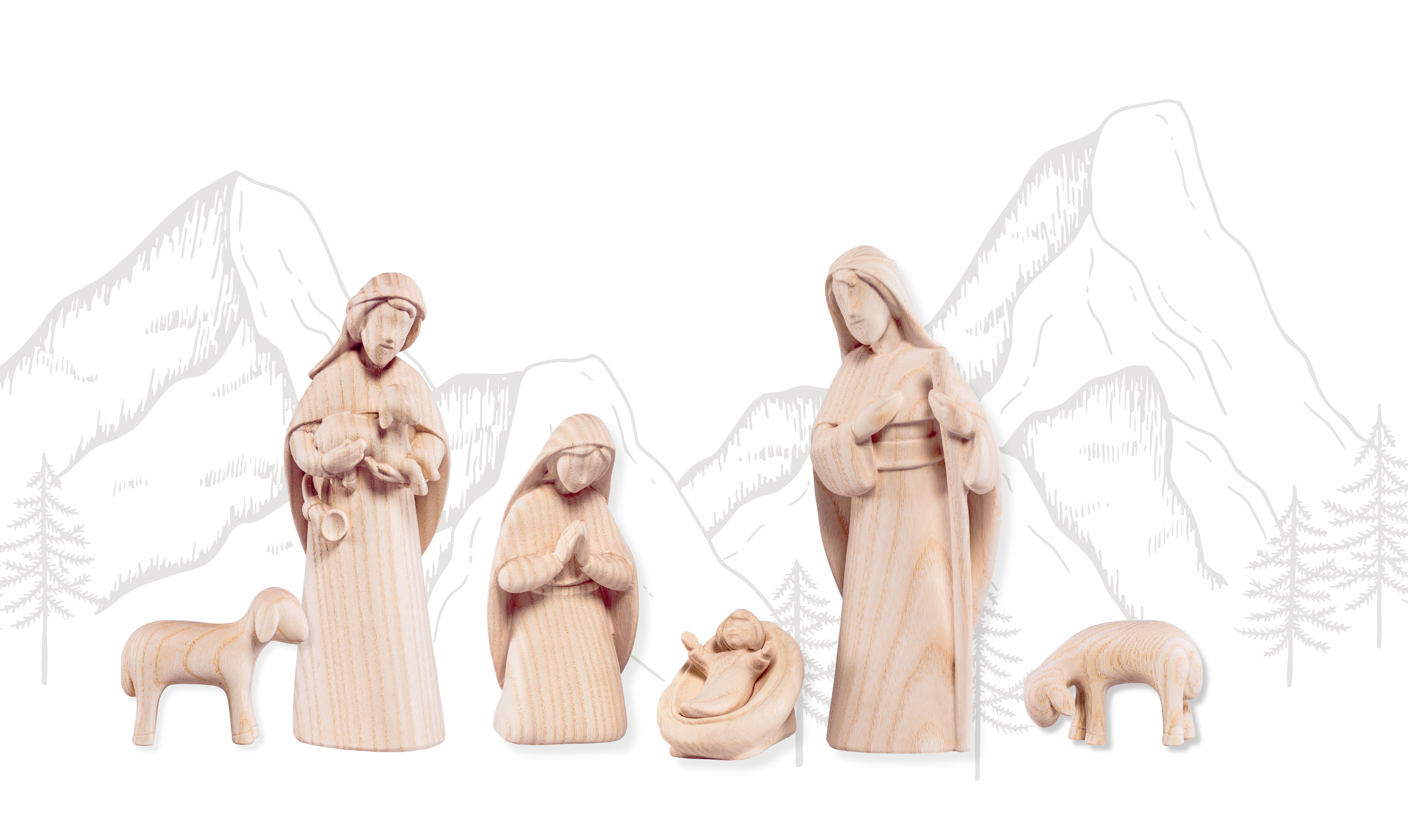
Mary represents love, faith, and motherhood. She is usually depicted kneeling or sitting beside the Christ Child and reflects humility and devotion. Her figure reminds us of unconditional love and the power of a gentle, deep faith.
Joseph
Joseph is a symbol of protection, responsibility, and quiet strength. He is often depicted with a lantern or staff to emphasize his role as protector of Mary and Jesus. Joseph's figure represents trust and devotion, values that still play an important role in families today.
The Christ Child
The Christ Child is the most important figure in the Nativity scene and represents hope, new beginnings, and divine love. His presence reminds us that the true meaning of Christmas is spiritual and goes beyond gifts and decorations.
The Angels: Messengers of Hope
In the Nativity scene, angels symbolize guidance, peace, and the connection between heaven and earth. The most well-known angel is the one who announces the birth of Jesus to the shepherds. Angels represent good news and protection, reminding families that Christmas is a time of hope and inner light.
The Shepherds: Humility and the Simple Life
The shepherds represent ordinary people who were among the first to learn of Jesus' birth. They symbolize humility, simplicity, and the idea that faith is for everyone, not just kings or religious leaders.
Why shepherds are important today
- They represent everyday life and real people.
- They remind us that significant moments often arise in simple situations.
- They show that everyone is welcome in the Christmas story.
The Three Wise Men: Wisdom and Generosity
The Three Wise Men, also known as Magi or Wise Men from the East, are among the most famous figures in nativity scenes. They brought the Christ Child gifts of gold, frankincense, and myrrh.
Every gift has a deeper meaning:
- Gold symbolizes royalty and wealth
- Frankincense symbolizes worship and spirituality.
- Myrrh is a prophetic symbol of sacrifice and mortality.
The kings symbolize wisdom, generosity, and the search for truth. Their long journey can also be interpreted as a symbol of faith and devotion.
The animals: simplicity and nature
Oxen, donkeys, sheep, and sometimes camels are among the typical animals in a Nativity scene. These figures represent nature, humility, and the simple setting of Jesus' birth.
Common nativity animals and their meaning
- Ox : Patience and helpful service
- Donkey : Humility and perseverance
- Sheep : Innocence and Faith
- Camel : Journey and the Arrival of the Kings
Furthermore, the animals serve as a reminder that Jesus was born in a humble stable and not in a magnificent palace.
The stable: A symbol of humility
The stable or manger is much more than just a backdrop. It represents humble beginnings and the conviction that great things can arise from simplicity. The stable reminds us that profound things don't require luxury or perfection.
Additional characters: Expanding the story
Many nativity scenes include additional figures such as villagers, children, musicians, or craftsmen. These figures represent community, joy, and everyday life.
Adding such figures allows families to personalize their nativity scene and tell a bigger story.
Why nativity figures are still important today
In a time filled with screens and hectic holidays, nativity figures offer something slowed down and meaningful. They tell a tangible story around which families can gather, share, and pass on traditions.
Brands like Akantus have helped modern families rediscover nativity scenes by combining tradition with modern design and easy online access.
Companies like Akantus have also helped to modernize nativity scenes by offering customizable sets, natural materials, and innovative products such as nativity advent calendars.
How to build a meaningful nativity scene
You don't have to buy everything at once. Many families start with the Holy Family and add more figures over time. This way, the nativity scene becomes personal and grows with the family each year.
Tips for designing your own nativity scene
- Start with the Holy Family and a simple stable
- Add shepherds and animals for a classic look.
- Add the Three Wise Men to complete the story.
- Personalize your nativity scene with additional figures or accessories.
This step-by-step approach makes the nativity scene an annual tradition and not just a decoration.
Nativity scenes as a family tradition
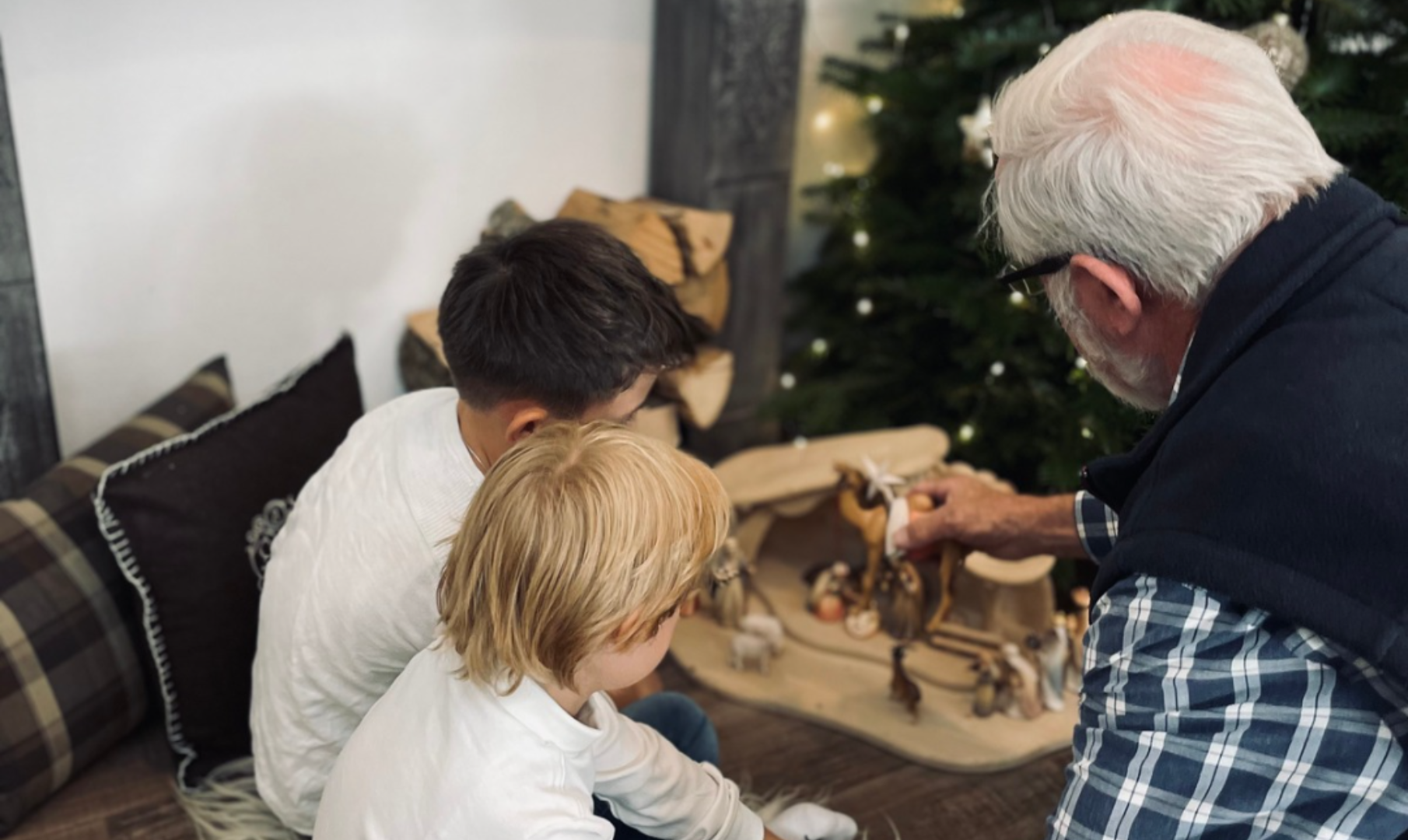
Nativity figures often become heirlooms, passed down from generation to generation. Children grow up with them, recognize the figures, learn their stories, and help set up the nativity scene each year. This creates precious shared memories.
Unlike trendy decorations that change every year, nativity scenes remain meaningful for decades.
Modern relevance of nativity figures
Nativity scenes are no longer confined to religious households. Many people appreciate them as cultural symbols, artistic decorations, or meaningful holiday traditions. They can spark conversations about history, faith, art, and family values.
FAQs
What is the most important figure in a nativity scene?
The Christ Child is the central figure and represents hope, love, and the spiritual meaning of Christmas. The Holy Family together form the heart of the Nativity scene.
Why are there three Wise Men in the Nativity scene?
The Three Kings symbolize wisdom, generosity, and faith. Their gifts represent kingship, worship, and sacrifice, lending deeper symbolism to the Christmas story.
Do nativity scenes have to be religious?
Not necessarily. Many people display nativity scenes as a cultural tradition, artistic decoration, or family heirloom. They can represent history, stories, and values beyond religion.
Which animals are typically included in a nativity scene?
Common animals include sheep, an ox, a donkey, and sometimes camels. Each animal has a symbolic meaning and reflects the humble surroundings of the stable.