What design logic shapes a nativity scene advent calendar?
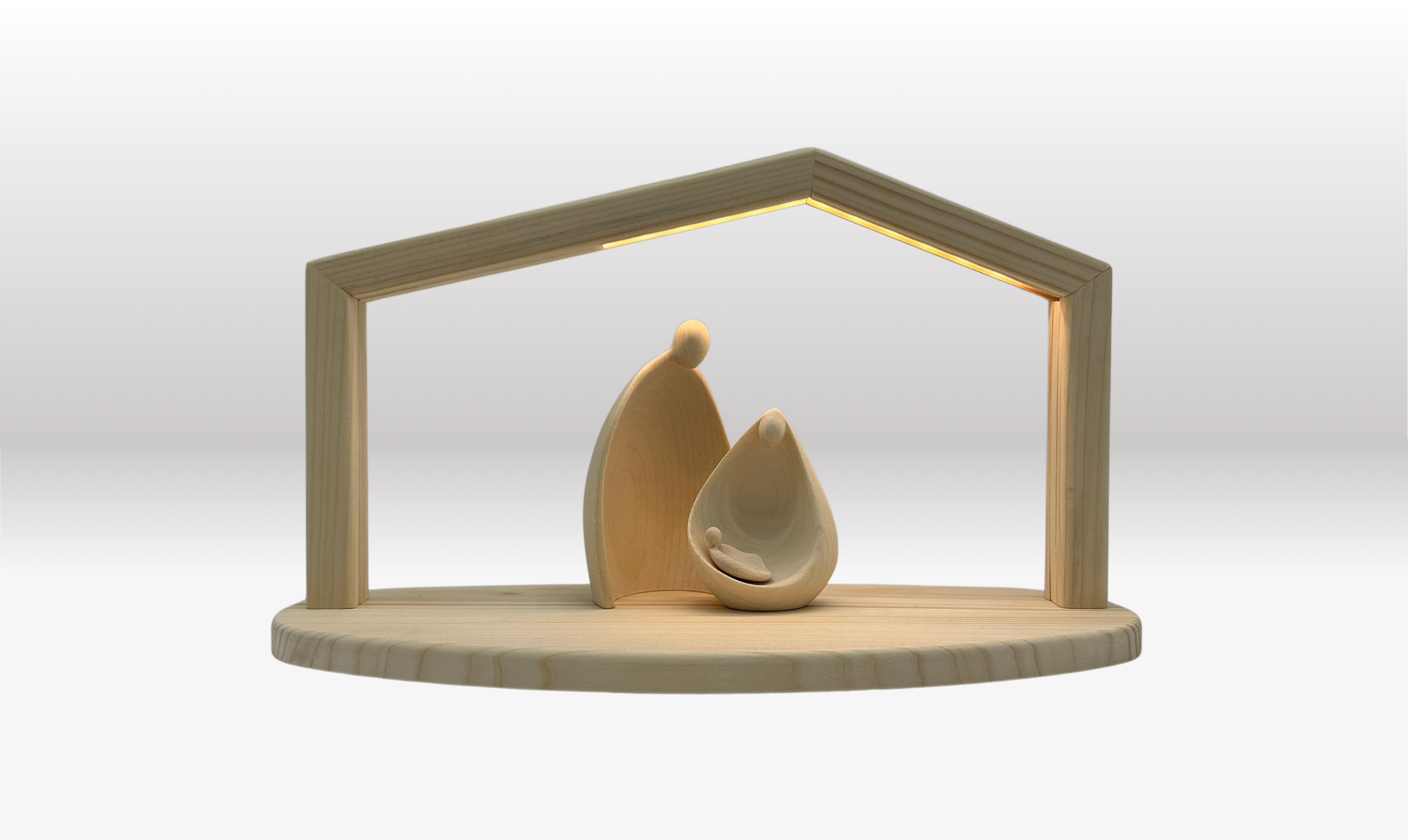
An Advent calendar with a nativity scene is more than just a beautiful decorative object. It's based on a clear and well-thought-out method.
Each day adds another element to the slowly growing scene. The goal is to create a complete overall picture step by step, without it appearing cluttered or confusing.
The design process begins with a stable foundation. This can be a simple background or a suggested scene. The figures are then added one by one. Each step is carefully planned so that the final image appears harmonious and meaningful. Nothing is left to chance. Every element contributes to the overall picture.
Plan the order of the figures
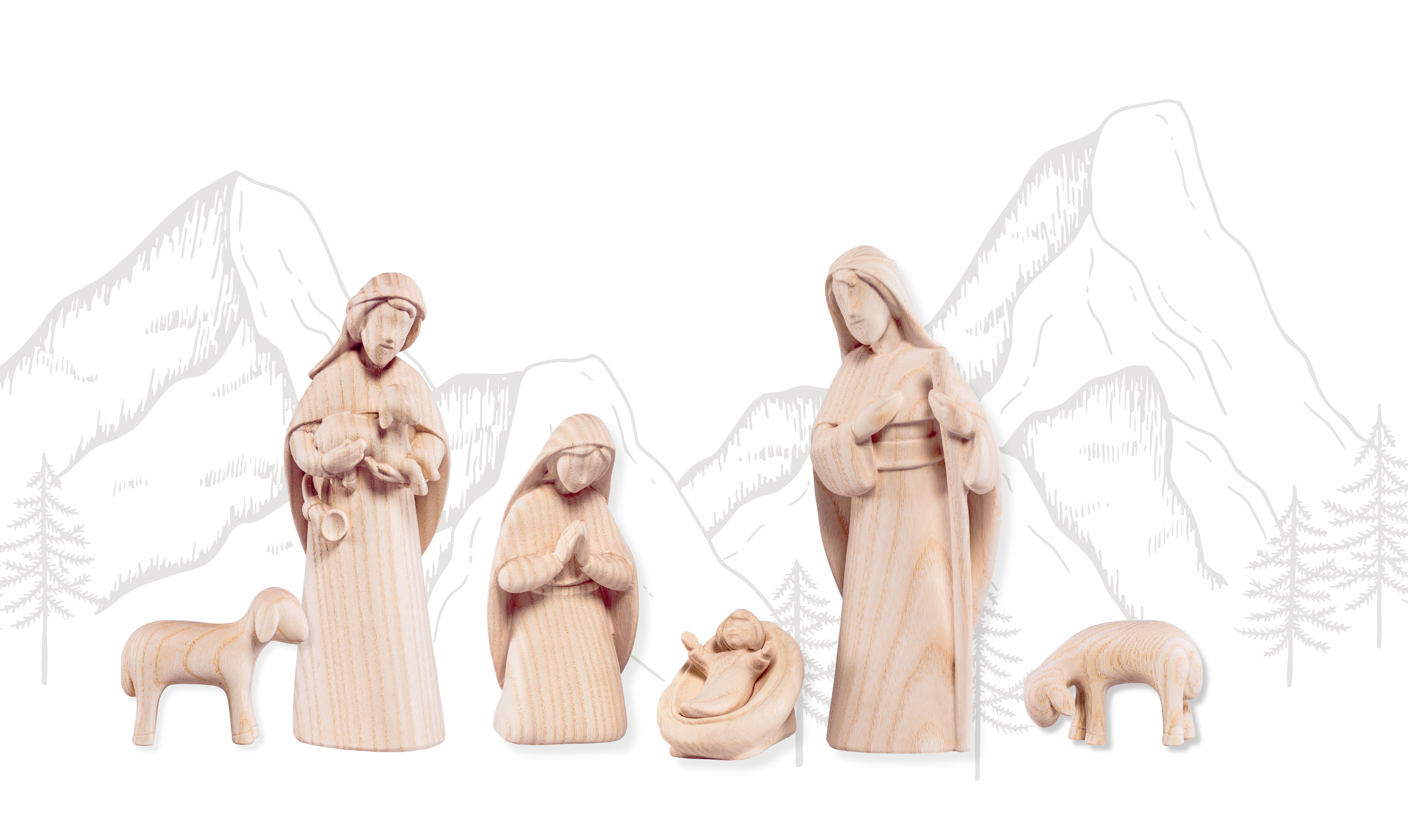
The order of the figures plays a central role. Designers make very conscious decisions about timing and position. A nativity figure is introduced precisely when it meaningfully complements the overall picture and the representation remains clear and orderly.
In the first few days, the focus is usually on background elements or supporting characters. Later, more important characters come into play and become more noticeable. This gradual development ensures stability and a pleasing visual effect.
Using too many detailed elements at the beginning risks creating a cluttered appearance. Good design avoids this. It maintains clarity while simultaneously generating visual interest.
Balance and space
Harmony is the most important characteristic of a well-designed calendar. Each figure needs sufficient space. Open spaces allow the eye to wander calmly over the entire scene.
Height and orientation also play a role. Some figures are positioned slightly further forward, others slightly offset in the background. This creates spatial depth without making the scene appear cramped.
When each character is given enough space, the overall picture appears calm and balanced.
Craftsmanship and details
The quality of the craftsmanship influences the overall design. Each figure should be precisely carved and carefully painted. The base must be stable so that the figure stands securely in its compartment.
A figure of Saint Barbara should be in proportion to the rest of the scene in size and style. If one figure appears too large or too detailed compared to the others, it disrupts the balance of the scene. Good composition ensures that all elements harmonize with each other.
Details should refine the overall look, not dominate it. Often, a simple, elegant design is more effective than excessive ornamentation.
Construction and stability
Since the calendar is used daily, the construction must be robust. Small doors or compartments should open easily without damaging adjacent elements.
The frame must be able to support the weight of all the figures. Internal reinforcements provide additional stability. A solid construction guarantees that the display will remain secure and attractive for many years.
A well-made calendar combines aesthetics with functionality.
Create a clear focal point
Almost every well-thought-out design has a clear focal point. The eye naturally rests there. In a nativity scene-based depiction, this central area is consciously planned from the outset.
Secondary figures are arranged in such a way that they gently guide the eye towards the center. Their position, direction of gaze, and the distance between them create a natural rhythm.
Even if many figures are added, the design should remain clear and uncluttered. No element should obscure the central focus.
Tradition and thoughtful design
An Advent calendar with a nativity scene carries cultural and spiritual significance. Designers respect the tradition while simultaneously developing a modern, practical format that unfolds clearly from day to day.
The design should not only look good, but also support the story. Each individual character plays a role in the overall context. The structure acts like an invisible framework that supports the narrative.
When tradition and structure are in harmony, the result is a presentation that is both profound and stylishly understated.
The effect of the gradual unveiling
The slow development of the scene is no accident. The gradual addition of figures increases anticipation and allows each individual nativity scene figure to be consciously perceived before the entire ensemble is visible.
The presentation should be coherent at all times. At the same time, it must remain clear that further elements will follow. This balance maintains the viewer's attention throughout the entire presentation.
The slow unveiling builds atmosphere without losing visual clarity.
Why design logic is crucial
Without clear planning, a calendar can quickly appear chaotic or cluttered. However, if each element is consciously integrated, a stable and harmonious overall picture emerges.
Proportions, level of detail, spatial arrangement, and safety are all interwoven. The result is not just a collection of individual figures, but a well-thought-out overall composition with an internal order.
Frequently Asked Questions
1. How does this type of calendar differ from an ordinary calendar?
He builds a coherent scene step by step. Each new character complements the previous one, creating a unified overall design.
2. Why is the order so important?
The correct sequence ensures balance and clarity. Incorrect placement can quickly make the scene appear cluttered.
3. Can additional figures be added later?
Yes, provided they match the existing structure in size, style, and theme.
4. Why is a stable construction so important?
A sturdy frame and secure compartments protect the figures and ensure that the display is preserved for many years.