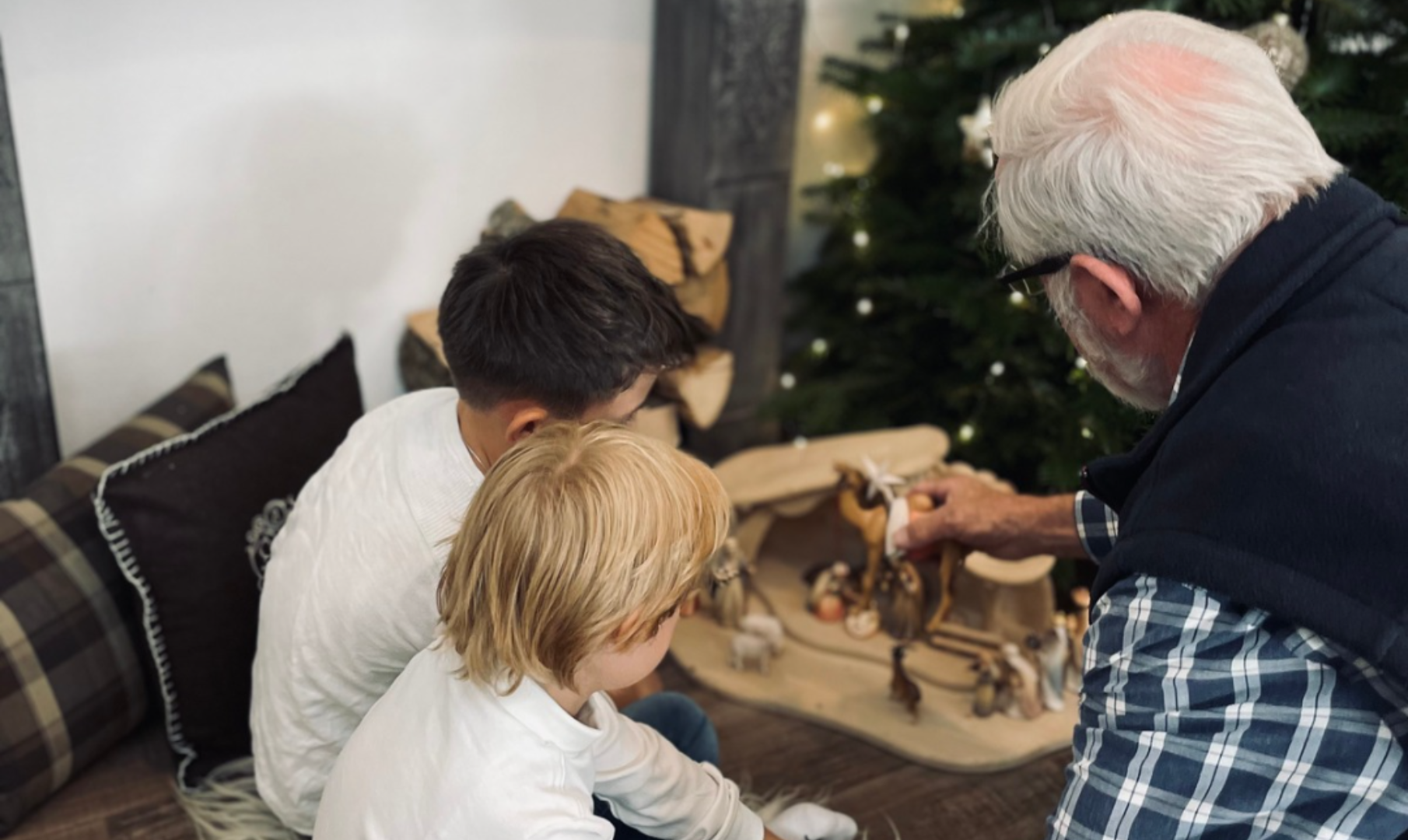

The Ultimate Buyer’s Guide to Nativity Scenes: Quality, Meaning & Long-Term Value
When you are making your selection of a nativity scene, it is important that you choose a nativity scene that tells a story and preserves a tradition for generations to come. There are many options available when choosing your nativity scene, but understanding the various ways to determine the quality of a nativity scene will help you make an educated and significant purchase. The following guide will help you to make a confident purchase by providing information related to the craftsmanship of your nativity scene, the importance of your nativity scene to your family, and the value of your nativity scene.
Understanding the Meaning Behind a Nativity Scene
A Nativity scene represents more than figures arranged around a manger. Each character, gesture, and expression plays a role in telling a story of humility, hope, and faith. The way Mary’s posture conveys calm, Joseph’s stance shows protection, or the shepherds reflect wonder all contribute to the emotional impact of the scene.
High-quality Nativity scenes respect this meaning. Careful design ensures the figures feel connected rather than placed together randomly. When the story flows naturally, the scene feels alive and invites reflection year after year.
Why Craftsmanship Matters in Nativity Scenes
A Nativity scene is not just a group of figures surrounding a manger; it is the collection of characters, their postures, movements, expressions, and gestures that tells an overall story about humility, hope, and faith. For example, Mary's calmness and serenity are conveyed through her posture, Joseph's body language communicates a sense of security, and the shepherds' bewilderment adds an element of awe. Each of these elements contributes to the overall emotional impact of the Nativity scene.
Nativity scenes of quality demonstrate this principle through their attention to detail in relation to the concept of unity. The design of the nativity creates cohesion amongst the figures and allows the story to be told in continuity so that when viewed together, they produce an alive and inviting place in which to be inspired and contemplate year after year.
The Importance of Wood Quality and Material Choice
Material choice plays a major role in durability and appearance. Solid wood offers strength, warmth, and natural beauty that synthetic materials cannot match. The grain of the wood adds character and ensures that no two figures are exactly alike.
Lower-quality materials may crack, warp, or lose color over time. Solid wood, when properly selected and treated, ages gracefully. It develops a richer look while maintaining its structure, making it ideal for pieces meant to last for generations.
Hand-Carved vs Machine-Made Nativity Figures
Hand-carved figures like the Hand-carved wooden Madonna carry the mark of the artisan. Small variations in facial features or posture give each piece individuality. These subtle differences create depth and realism that machines struggle to replicate.
Machine-made figures prioritize consistency. While this can result in uniform shapes, it often removes the warmth and character that make a Nativity scene feel personal. Hand carving allows for softer transitions, expressive faces, and a natural flow between figures.
Detailing, Painting, and Finishing Techniques
The level of detail in product design is often seen as a direct indicator of quality. Clothing with fine line stitching, subtle facials, and well-shaped hands all take time and expertise to create the necessary visual harmony and attract the audience’s attention without taking away from the overall image.
Finishing techniques (distressed paint, raw wood finish) should also be considered important factors when evaluating product quality. A figure that is well finished will have a smooth, balanced, and complete feel. In contrast, figures that are poorly finished may temporarily disguise defects, but will wear out at a much more uneven rate than those that are finished properly.
Choosing the Right Size and Style for Your Space
When selecting a size for your Nativity set, choose a size that will present your set as an intentional display rather than an overcrowded or neglected collection. Large pieces work well in a central setting, while smaller sizes are more appropriate for display on shelves or mantles. Regardless of the size you choose, proper proportions between the animals in relation to each other and the environment around them are just as important as the size!
The other important factor to consider when selecting your Nativity is the style. Crèches that reflect a traditional style will typically showcase classic designs with recognizable shapes, whereas modern-style crèches may have the same clean lines and simple designs used in their construction. The right size/style combination will allow your nativity to integrate with its environment while still providing the same support for telling the story of Jesus' birth!
Long-Term Value and Durability Considerations
Quality-made Nativity scenes have long-term, worthwhile returns for you. Quality materials and skilled craftsmanship can save you both time and money by reducing the need to repair or replace your nativity scene. Properly constructed figures will be durable and withstand many years of usage and storage.
Emotional value is another way to measure long-lasting value. As the pieces in your nativity set become successful, they create a family tradition that continues to offer ever-increasing emotional and meaningful bonds between your family and friends.
By starting with high-quality pieces for your nativity, you protect both your long-term investment as well as your long-term experience.
How to Identify High-Quality Nativity Sets Before Buying
Quality can easily be determined by assessing how well a piece is executed. For instance, when looking at carvings, you should notice the absence of sharp or rough edges and that your figure feels stable or balanced while standing. The finish of the piece should have the same care and consistency throughout the piece rather than there being thick coats of finish on the piece to hide imperfections.
You will also want to assess how expressive or natural the posture of a figure appears to be. When a figure conveys emotion, how strong that is going to depend upon how all elements involved, whether it's the material itself, any decorative detailing, etc., all seem meaningful and intentional to the final piece.
Caring for and Preserving a Nativity Scene Over Time
Akantus focuses on craftsmanship, material quality, and respect for tradition. Each piece reflects precise carving, thoughtful finishing, and a deep understanding of the Nativity story. The focus is not on trends or mass production, but on figures with lasting meaning and presence.
For those who value authenticity and long-term significance, Akantus offers Nativity scenes designed to be cherished rather than replaced. Rooted in the tradition of the Kostner Nativity Figures Catalog, the company aims to create pieces that gain symbolic value over time while maintaining beauty and quality. Contact Akantus to explore carefully crafted Nativity scenes meant to be appreciated for generations.
Why Choose Akantus
Quality craftsmanship, material selection, and respect for tradition are the hallmarks of Akantus' work. Each piece has been carefully hand-carved, finished with care, and created with an understanding of the Nativity story. The focus is on creating meaningful and timeless works of art rather than being trend-oriented or mass produced.
For those collectors who want true authenticity and long-term value, an Akantus Nativity collection is a collection you will be proud to have for years to come. With roots in the historical tradition of Kostner Nativity Figures, Akantus produces pieces designed to become symbolic in their value as they mature while maintaining their appeal and integrity. Contact Akantus today to learn more about the unique pieces they produce so future generations will be able to enjoy them.
Frequently Asked Questions
Q1: How can I tell if a Nativity scene is truly handcrafted?
Handcrafted scenes show subtle variations in carving and expression. No two figures look exactly the same. You will notice depth in details and a natural flow in shapes that machines cannot replicate.
Q2: Are wooden Nativity scenes better than resin or plastic ones?
Wooden scenes generally last longer and age more gracefully. Solid wood provides durability and warmth, while synthetic materials may fade, crack, or lose detail over time.
Q3: What size Nativity scene should I choose?
Choose a size that fits your display area comfortably. Figures should feel balanced within the space and proportionate to one another. Larger is not always better if it overwhelms the setting.
Q4: How long can a high-quality Nativity scene last?
With proper care, a well-crafted wooden Nativity scene can last for generations. Quality materials and skilled workmanship are designed for long-term use.
Q5: Is a higher price always a sign of better quality?
Not always, but extremely low prices often reflect shortcuts in materials or production. Focus on craftsmanship, material choice, and finishing rather than price alone when judging quality.