Why Is Each Wooden Nativity Figure Considered A Unique Masterpiece Rather Than A Simple Decoration?
Walk into any home during the Christmas season, and you'll likely spot some form of nativity display. But if you've ever held a hand-carved piece in your hands, you know there's something fundamentally different about it. There's weight to it, quite literally and figuratively. The craftsmanship jumps out at you immediately. These aren't just objects meant to fill a shelf for a few weeks before getting boxed up and forgotten. They represent centuries of tradition, countless hours of skilled labor, and a philosophy about how we should approach the objects we invite into our homes.
What Sets Wooden Nativity Figures Apart from Mass-Produced Decorations?
The difference between a factory-made decoration and a genuine wooden nativity figure becomes obvious once you start looking closer. When you examine the surface of a hand-carved piece, you see evidence of the artisan's tools. The grain of the wood shows through in ways that no machine could replicate the same way twice.
Modern production lines churn out millions of identical items. But that's precisely what makes them forgettable. They serve their purpose efficiently and then vanish from our memory. Hand-crafted pieces operate on a completely different principle. Each one carries the fingerprints, quite literally sometimes, of the person who made it.
Materials Matter
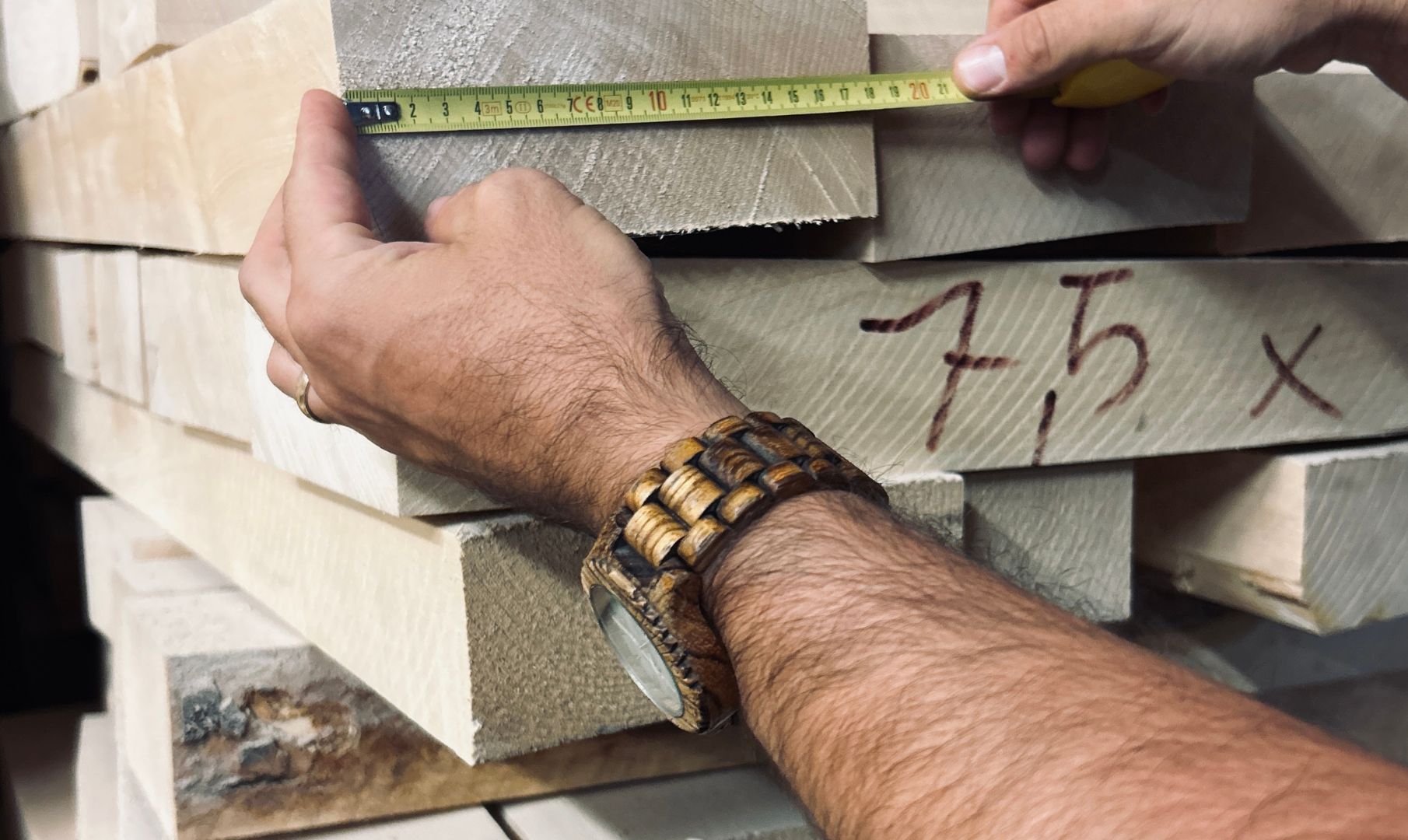
The quality of materials directly impacts longevity. When you're working with sycamore wood from South Tyrol, you're starting with something that's already proven itself over centuries. This isn't about fashion or trend. It's about what actually lasts.
The wood selection impacts how the piece will age. High-quality sycamore develops a beautiful patina over time. Some families pass down their nativity figures through multiple generations, and the pieces only become more beautiful as they age. That's not something you'd say about plastic or resin alternatives.
The Art of Hand-Painting
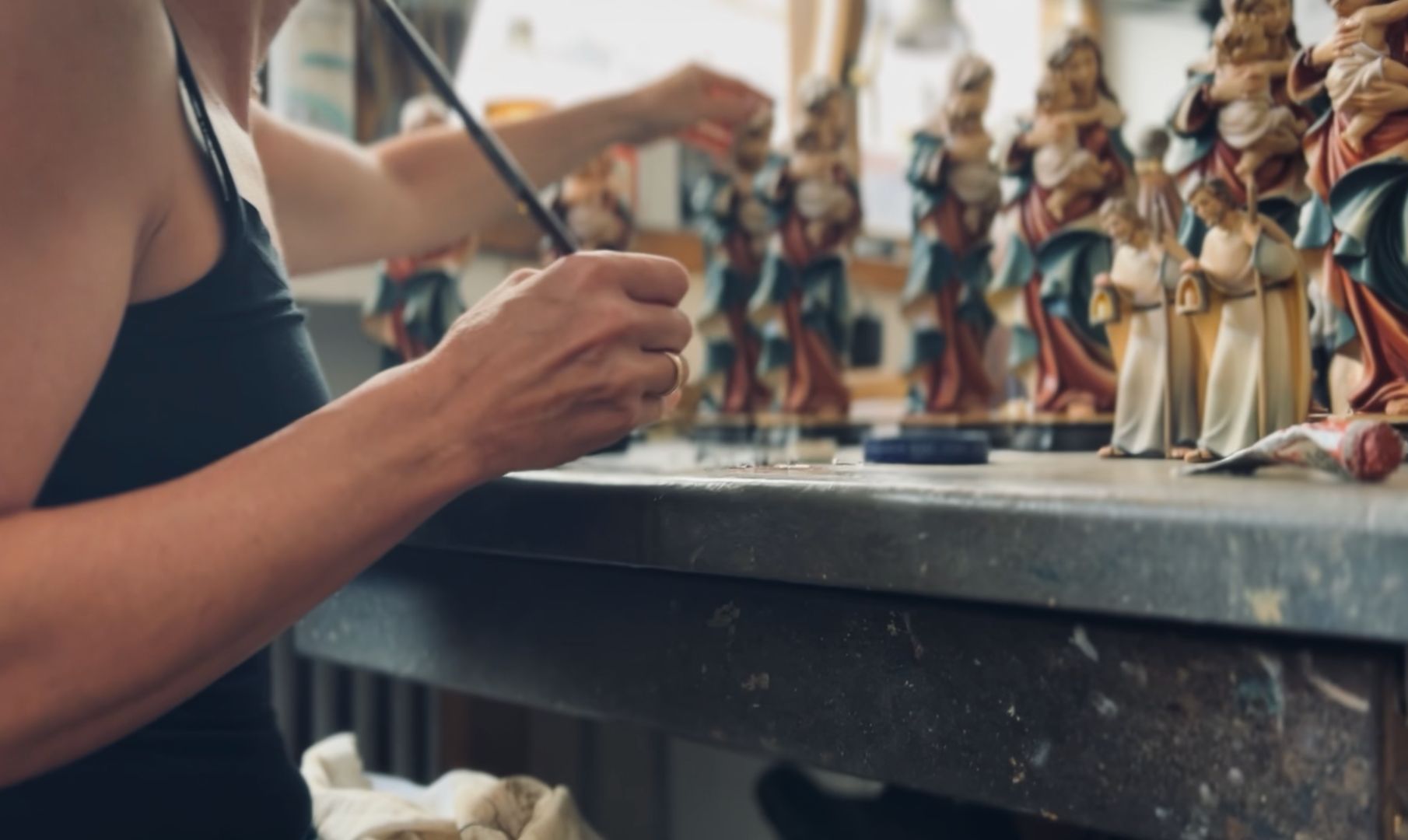
After carving comes the painting stage, and this is where wooden nativity figures truly become works of art rather than simple objects. The painters work with traditional color schemes that have been refined over generations. These aren't random color choices. They follow historical models that reach back centuries into European artistic traditions.
Each figure receives individual attention during this stage. A painter isn't racing through dozens of identical items. They're focusing on one figure at a time, considering how the light will hit the face, how the robes should drape in color, and where shadows should fall.
Traditional Design Language
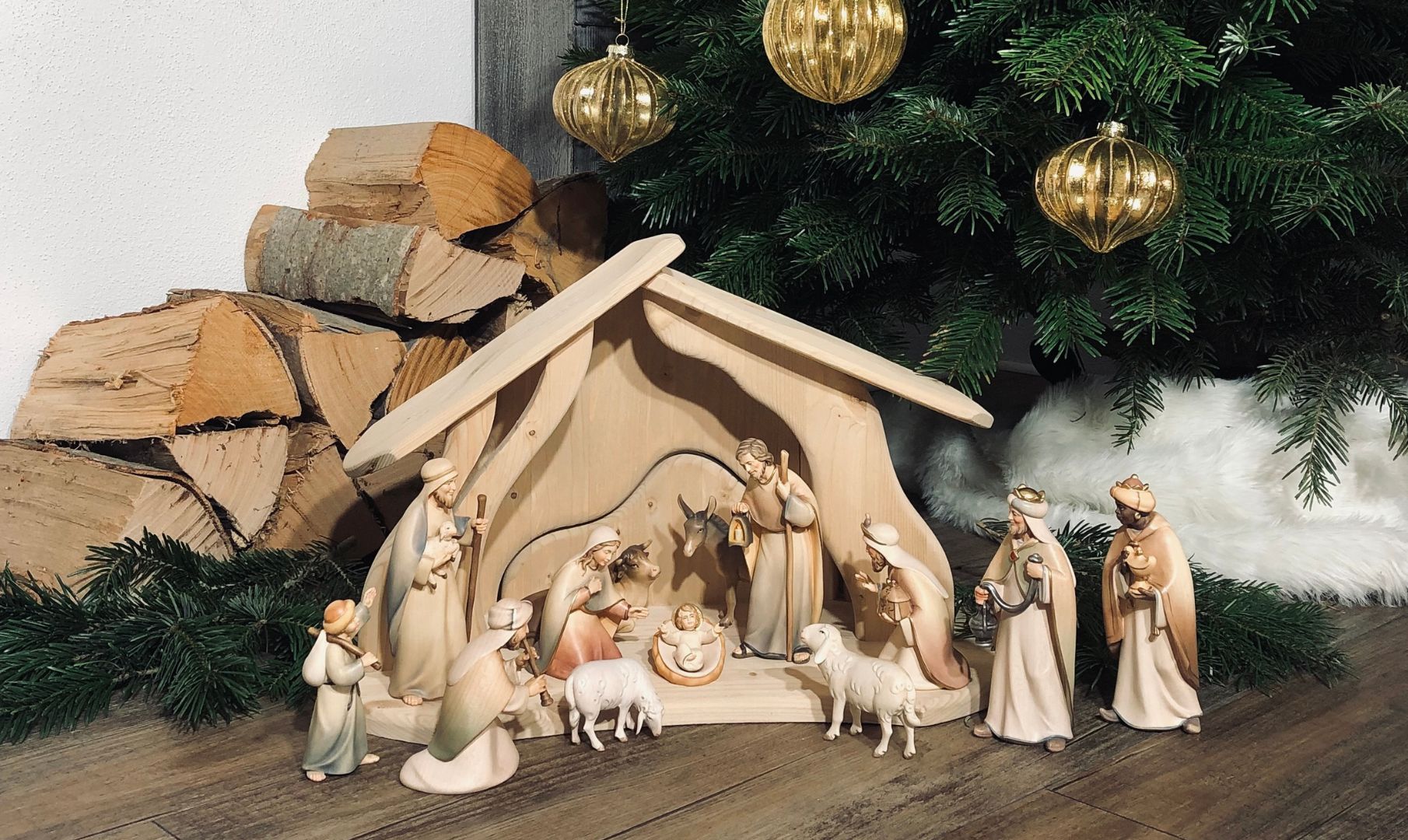
The traditional designs aren't arbitrary either. They draw from centuries of nativity art across Europe, particularly in South Tyrol, where this craft has deep roots. The painters understand that they're working within a language of visual symbols. The colors chosen for Mary's robes, the way Joseph's beard is rendered, and the details on the animals all of these follow conventions that viewers recognize intuitively.
This adherence to tradition doesn't mean the work is rigid or uninspired. Rather, it means the artists are working within a framework that's proven its appeal across time. They know what works because generations have already tested it.
Key aspects of hand-painting include:
-
Using traditional color palettes developed over centuries
-
Individual attention to facial features and expressions
-
Understanding how wood grain influences final appearance
-
Applying multiple layers to achieve depth and richness
-
Adapting slightly based on each piece's unique wood characteristics
South Tyrolean Heritage
The South Tyrolean region has been producing wooden nativity figures for centuries. This isn't accidental. The combination of available materials, developed skills, and cultural traditions created an environment where this craft could flourish. When you purchase a wooden nativity scene from makers rooted in this tradition, you're tapping into that centuries-long heritage.
The craftsmanship methods used today still incorporate techniques that masters developed generations ago. They combine these time-tested approaches with creative innovations that keep the work alive and relevant. It's not about slavishly copying the past but rather building respectfully on what came before.
Elements of the South Tyrolean tradition:
-
Centuries-old carving techniques passed through families
-
Understanding of local wood sources and their properties
-
Color and design traditions specific to the region
-
Commitment to hand-craftsmanship over automation
-
Pride in maintaining quality standards across generations
Why Each Piece Tells a Different Story
Here's something crucial that many people don't immediately realize: each figure is genuinely unique. When wood is a natural material and skilled hands guide each carving, variations occur naturally. The grain pattern differs. The proportions shift slightly. The painting shows individual brushstrokes and interpretations.
For families, this uniqueness becomes meaningful. You don't just have a nativity figure. You have THE figure, the one that was carved and painted in this specific way. It's yours in a way that mass-produced items can never be.
The variations also mean that your wooden nativity scene develops character over time. As the wood ages, as it's handled by different generations, as light and time work their magic on the paint, the figure continues evolving. It becomes richer with age rather than tired or worn out.
The Investment Perspective
While we typically don't think of nativity figures in financial terms, they represent a different kind of value calculation than ordinary decorations. The cost is higher upfront because you're paying for genuine skill, quality materials, and time. But you're also acquiring something that maintains value and meaning across decades.
Families keep these pieces. They integrate them into their Christmas traditions year after year. Children grow up with specific figures becoming part of their holiday memories. That continuity matters.
Frequently Asked Questions
Why do hand-carved wooden nativity figures cost more than factory-made alternatives?
The higher cost reflects what actually goes into creating them. You're paying for skilled artisan labor, quality materials like sycamore wood, individual hand-painting, and the time required for each stage of production. A single figure might take hours of work across multiple artisans. With mass production, costs get distributed across thousands of identical items, which isn't possible with handcrafted pieces.
How do I care for my wooden nativity figures to ensure they last for generations?
Keep them in a cool, dry place away from direct sunlight to prevent the paint from fading. Avoid extreme temperature fluctuations, as wood expands and contracts with moisture changes. Don't clean them with harsh chemicals. A soft, dry cloth is usually sufficient. If you notice the paint chipping, resist the temptation to touch it up yourself, as professional restoration will maintain value and authenticity.
What makes South Tyrolean wooden nativity figures special compared to others?
South Tyrol has been the center of nativity craftsmanship for centuries, with families refining techniques across generations. The region's access to quality sycamore wood, combined with deeply rooted artistic traditions, created an environment where exceptional standards developed. Artisans in this region aren't learning to carve from instruction manuals but from apprenticing with masters who themselves learned from previous generations.