Why Have People Always Chosen Wood for the Nativity Stable?
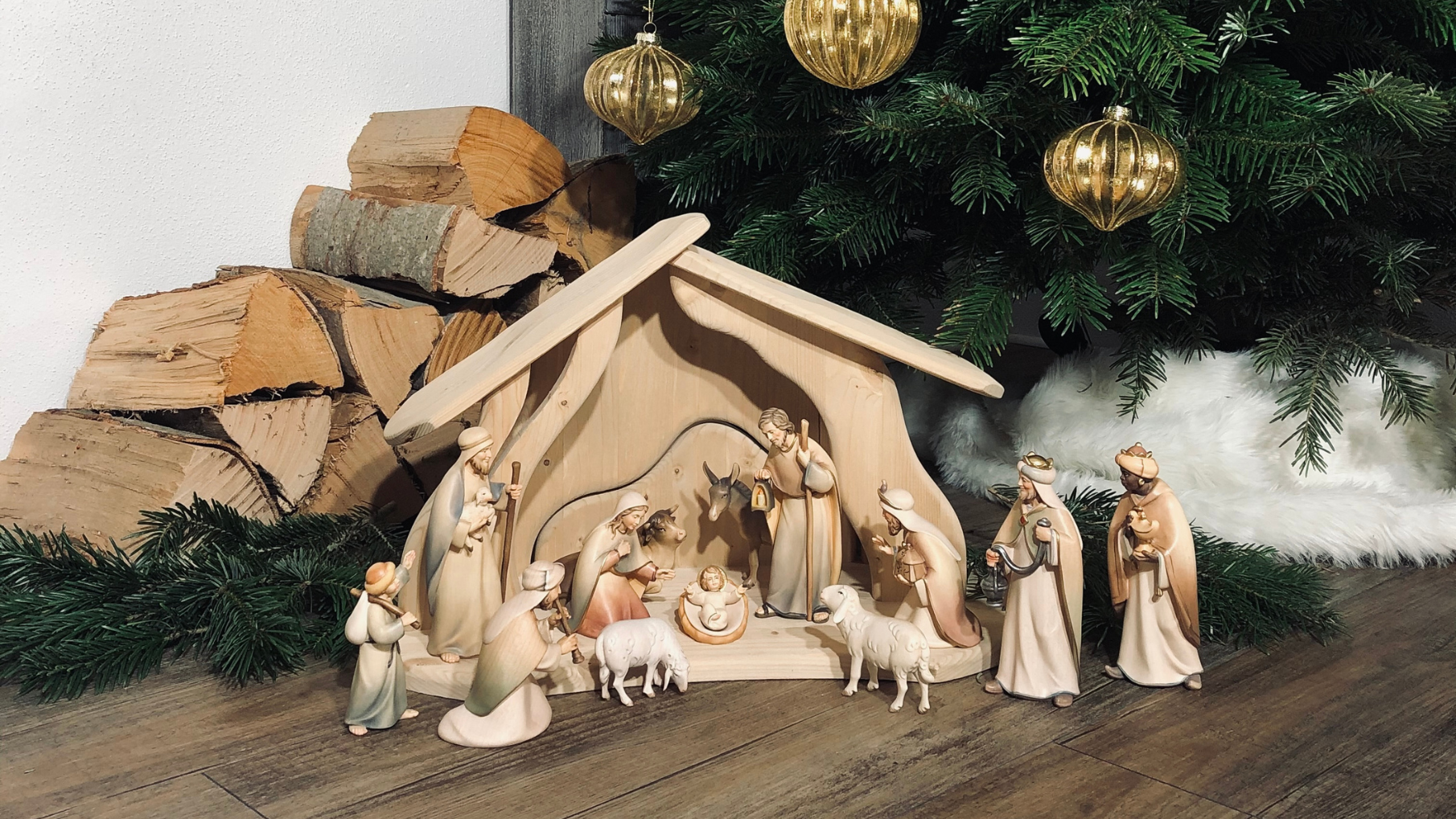
The Christmas season brings a special kind of magic with it, and for many families, a beautiful nativity stable is an essential part of the holiday tradition. When you walk through historic homes or visit museums, you immediately notice the stunning nativity scenes built from natural materials. The craftsmanship in these works fascinates people of all ages. But why do people keep returning to the same material century after century? The answer runs deeper than many realize.
The History of an Ancient Tradition
The story of the nativity scene does not begin merely a hundred years ago but reaches far back into the past. During the Middle Ages, religious communities began to depict biblical scenes in their churches. These displays were not simply decoration but rather a way to make the Christmas story tangible. People who could not read learned about the birth of Jesus through these visual narratives.
Over time, this religious practice evolved into a genuine art form. Families began building their own nativity scenes at home. The materials they used were often what was available to them, but they quickly realized that one particular material proved superior.
How the Nativity Stable Wood Became the Perfect Choice
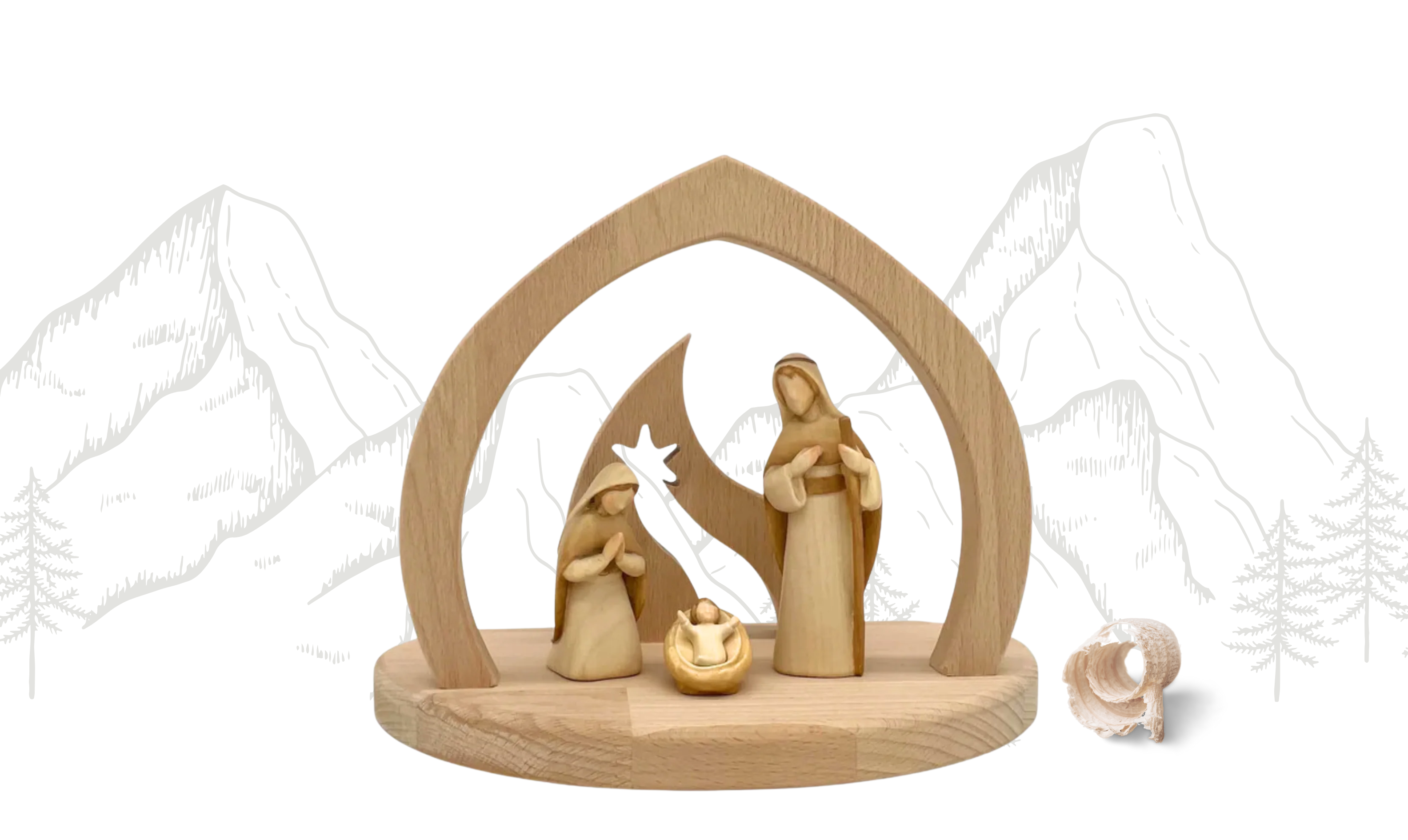
Material plays an important role in every creative endeavor, and nativity stables are no exception. The Wooden nativity stables became the standard because wood possesses several extraordinary properties that no other material can offer. The warmth that emanates from wood creates an immediate emotional connection with viewers.
Wood has a natural beauty that no synthetic material can imitate. When a craftsperson works with a piece of wood, you see more than just a form emerging; nature itself becomes part of the artwork. This connection to nature is something that people feel deep in their hearts.
Another reason lies in its durability. Wooden nativity stables built hundreds of years ago still exist today and are scarcely less impressive. They demonstrate that true quality endures through time. This matters greatly in a world filled with disposable products.
The Practical Advantages of Wood
Craftspeople prefer wood for several concrete reasons:
-
The workability enables complex designs and fine details
-
The material can be smoothed and polished for a finished appearance
-
Different wood types offer varying colors and textures
-
The stability ensures the structure will last for decades
-
Wood is more environmentally friendly than many alternatives
The Role of Sycamore and Other Quality Woods
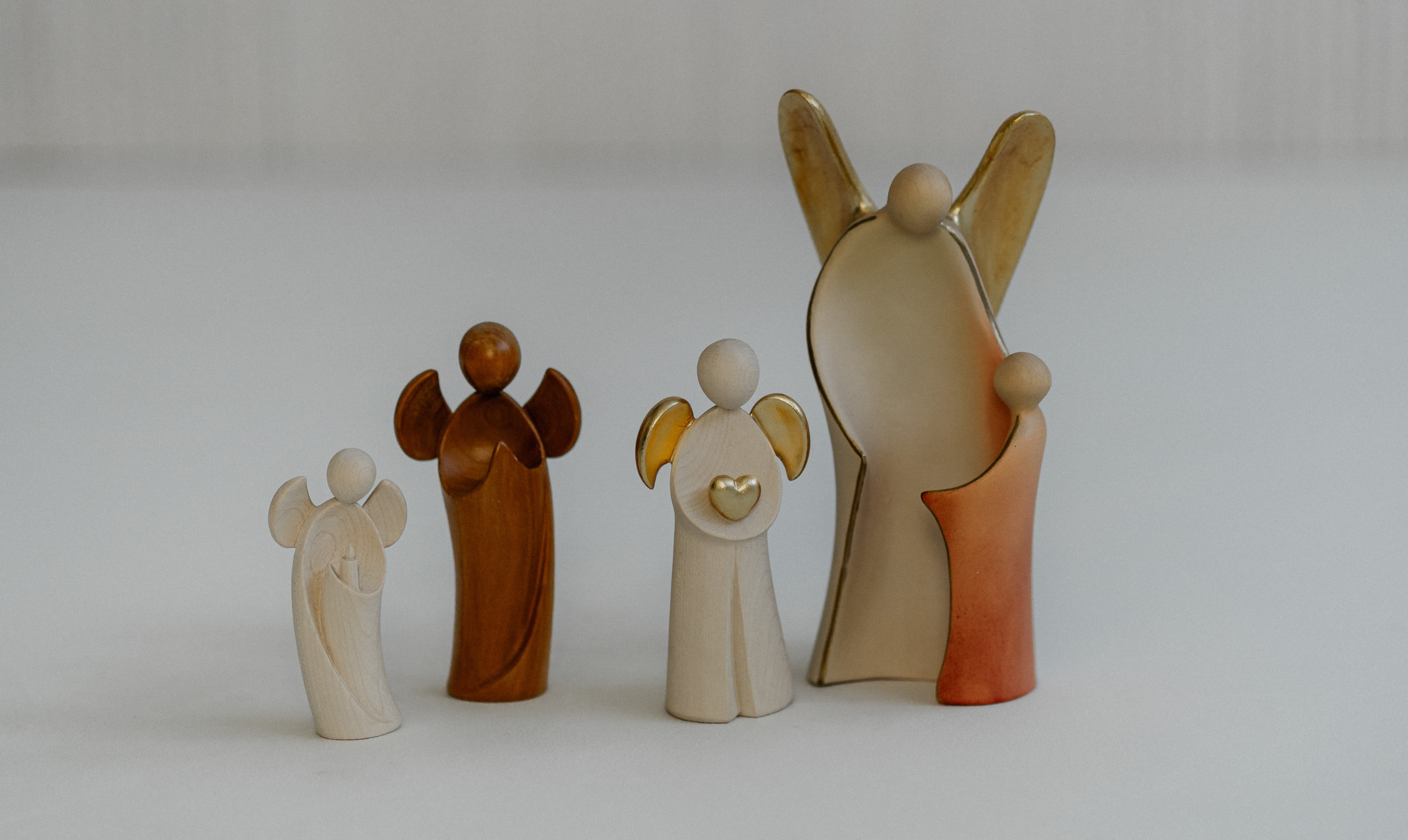
Not every type of wood works equally well for a nativity stable. Experienced artisans from traditional craft centers, including those who produce Kostner nativity figures, know exactly which wood makes the best choice. Sycamore has been the preferred material across generations.
This wood comes from Alpine regions and has a fine-grained structure that makes it ideal for carving. The artisan can carve fine lines into this material without the wood splintering or cracking. The light color of sycamore also creates an excellent base for painting.
The durability of this material is legendary. Nativity scenes made from sycamore that are housed in museums show barely any signs of wear, even after accompanying multiple generations. That speaks volumes about the material's quality.
Craftsmanship and Artistic Expression
The choice of material is closely linked to the crafting process. When an artisan sits down to design a nativity stable, he thinks not only about the form but also about the story that the piece will tell. The wood becomes the medium for this narrative.
Every cut and every brushstroke is placed deliberately. Artisans who use traditional techniques combine their experience with the nature of the material. They work with the wood, not against it. The result is something with genuine soul.
The Beauty of Handwork
When you observe a high-quality nativity scene, you immediately see the difference from mass-produced items:
-
Each piece has character and subtle variations
-
The proportions feel harmonious and natural
-
Details are executed with precision but not exaggeration
-
The surface feels pleasant when you touch it
-
The painting follows traditional patterns and colors
Modern Collectors and Traditional Values
Today, in the twenty-first century, one might think people had stopped investing in traditional nativity scenes. The opposite is actually true. Collectors actively seek high-quality pieces, and many focus on wooden nativity stables and nativity figures. The demand for authentic, handcrafted products is actually growing.
This shows that the value of this tradition has not faded away. Families understand that a genuine artwork that lasts for generations is worth more than cheap imitations. A nativity stable made of wood becomes a family heirloom that can be passed down.
Online shops like Akantus now offer access to such artworks. They provide free consultation, free shipping, and a wide selection of pieces in various sizes. This makes it easier for modern families to maintain their Christmas tradition with quality objects.
The Spiritual Dimension
Beyond the practical and aesthetic reasons, there is something deeper at work. In many cultures, wood is associated with nature, life, and permanence. A wooden nativity stable connects the viewer with something primordial and genuine.
The Christmas story itself takes place in humble circumstances, in a stable made of wood. The choice of material for depicting this story thus carries symbolic depth as well. It is not merely about aesthetics but about authenticity and truthfulness.
Frequently Asked Questions
Question 1: How long does a wooden nativity stable really last?
A high-quality wooden nativity stable made from sycamore or similar materials can last over a hundred years if properly maintained. Many pieces in museums are 200 to 300 years old and still look impressive.
Question 2: Is wood really better than other materials?
That depends on what you value. If you appreciate longevity, beauty, and craftsmanship, then yes. Other materials can be cheaper, but do not offer the same emotional and artistic depth.
Question 3: How do I care for a wooden nativity stable?
Keep it dry and away from direct sunlight. A gentle dusting with a dry cloth is sufficient. Avoid water and humid environments. With this simple care, your piece will survive for decades.