Which Hand-Carved Nativity Animals Are Perfect for Your Christmas Crib?
When it comes to setting up a Christmas crib, nothing captures the magic of the season like beautifully crafted nativity animals. But how do you choose the perfect ones? With so many sizes, styles, and poses, picking the right figures can feel overwhelming. This guide will help you understand the offerings, make thoughtful choices, and bring your nativity scene to life.
Why Are Hand-Carved Nativity Animals Figure Special?
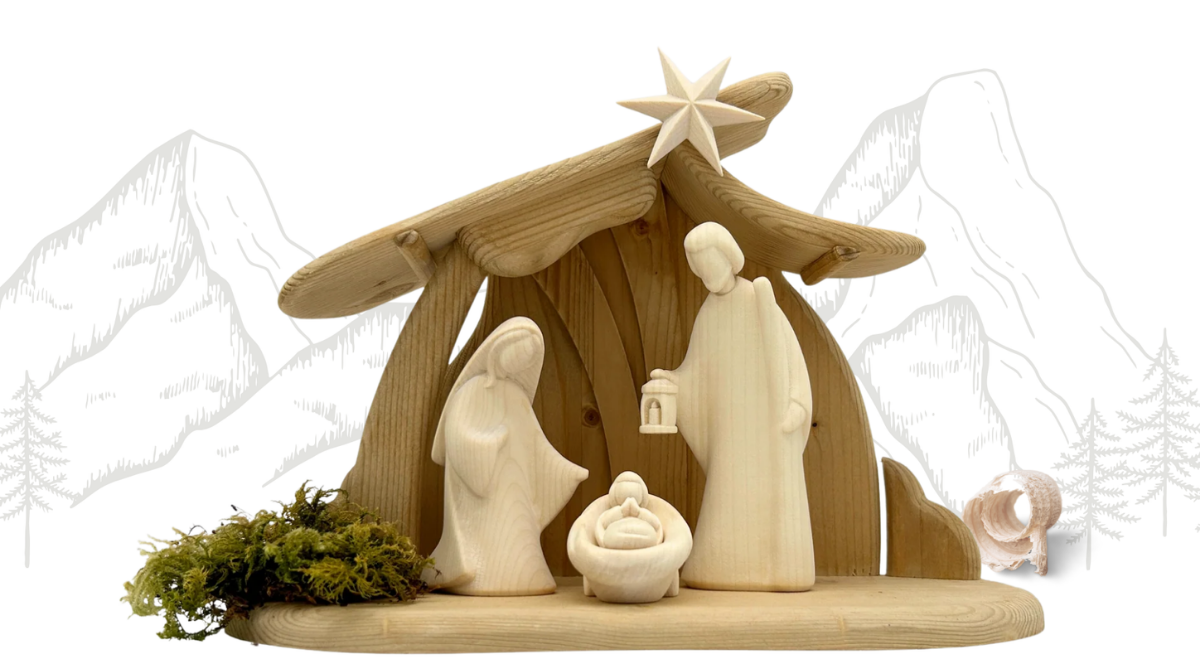
A hand carved nativity figure brings a warmth and authenticity that mass-produced figures just can’t match. Each figure is carefully shaped from wood, giving it a unique character and charm. From the gentle curve of a sheep’s back to the expressive eyes of a donkey, the artistry is clear in every detail.
Choosing hand-carved animals also means you are investing in something durable. These figures often last for decades, becoming family heirlooms you can use year after year. Their timeless design fits seamlessly into any traditional Christmas setting, from a simple tabletop scene to an elaborate full-size crib display.
Which Animals Should You Include in Your Nativity Scene?
A complete nativity scene isn’t just about Mary, Joseph, and baby Jesus. Animals play a key role in bringing the scene to life. Typical offerings include:
-
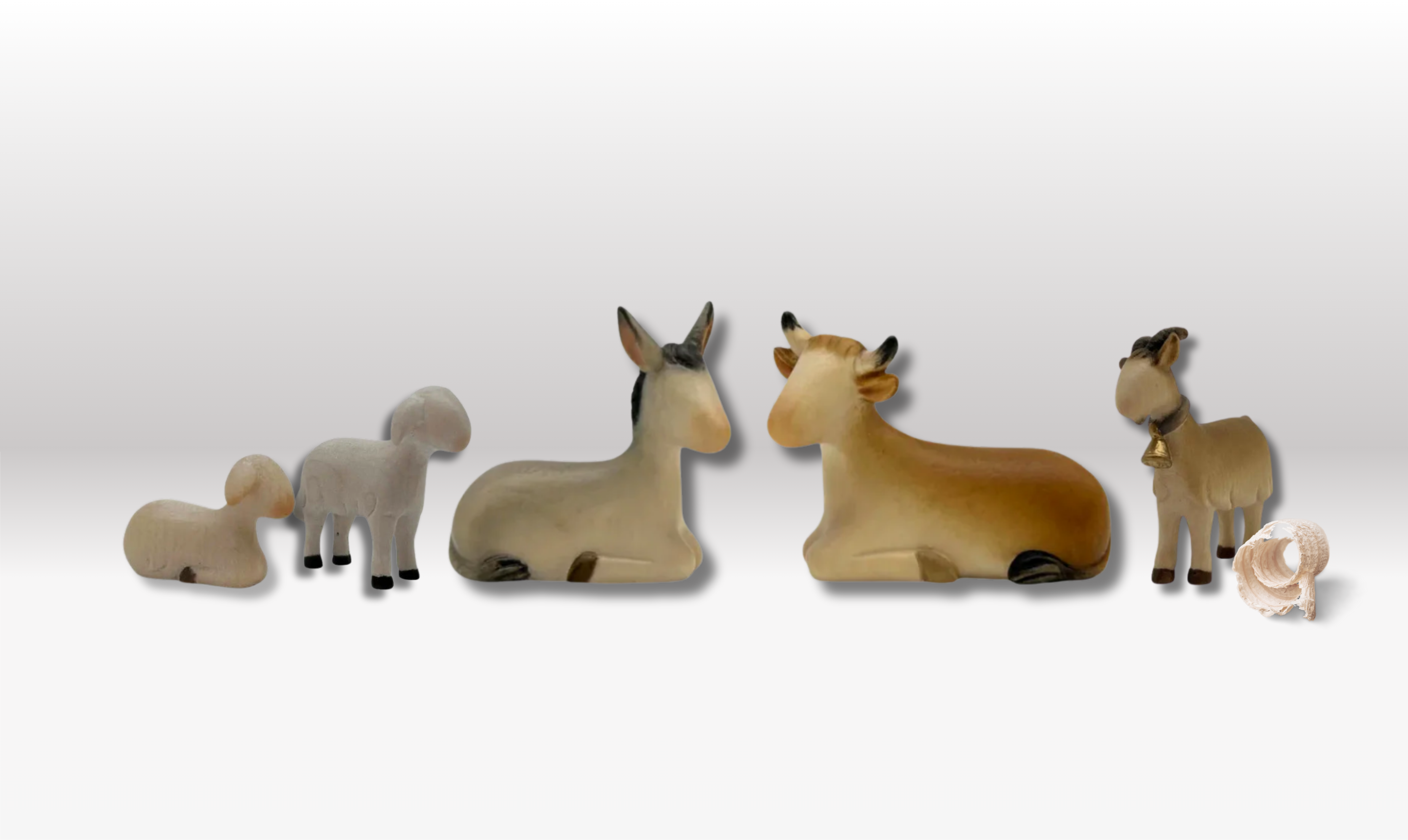
Donkeys and oxen – Symbolic of humble beginnings, often placed near the manger.
-
Sheep and lambs – Represent innocence and peace, perfect for surrounding the holy family.
-
Camels – Often included with the Wise Men, adding a sense of journey and tradition.
-
Goats– Fill out the stable and give your scene a realistic farm feel.
-
Dogs and cats – Add warmth and life to the scene, especially for larger displays.
Mixing different sizes and poses can make your nativity scene feel dynamic. For example, a lying lamb next to a standing sheep creates depth and realism.
How Do You Choose the Right Size for Your Crib?
Size is important because it affects the overall balance of your nativity scene. If your display is small, consider animals around 8–12 cm in height. For medium-sized cribs, 15–16 cm figures work well, while large displays can accommodate animals 20 cm or taller.
It’s also helpful to match the size of your animals to the human figures in your crib. Consistency ensures the scene feels cohesive rather than jumbled.
What Makes Hand-Painted Figures Unique?
Hand-painted Kostner Nativity Figures are more than just carved wood. Skilled artisans carefully apply colors to highlight textures and details. This means each figure has slight variations, making every piece unique. The colors often reflect traditional nativity tones—soft browns for donkeys, creamy whites for sheep, and natural wood shades for other animals.
These painted touches enhance realism, making the scene visually engaging and inviting for children and guests alike.
How Can You Arrange Animals for Maximum Impact?
Placement is key to creating a captivating nativity display. Here are some tips:
-
Place larger animals like oxen and camels near the center or background to anchor the scene.
-
Use smaller animals like lambs and hens around the edges to create depth.
-
Group animals in pairs or small clusters to make the stable look lively.
-
Consider leaving space around the manger to keep the focus on the holy family.
Experiment with angles and positions until the scene feels balanced and natural.
Why Should You Consider Multiple Figures from the Same Collection?
Using animals from the same collection ensures consistency in style, scale, and finish. This helps the nativity scene appear harmonious rather than a mix of different artistic interpretations. Collections often include all essential animals, so you can build a complete display without worrying about mismatched pieces.
Which Materials Work Best for Long-Lasting Figures?
While hand-carved wood is classic, it’s important to care for your figures. Avoid placing them in areas exposed to high humidity or direct sunlight, which can warp or fade the wood. Some collections use lightweight woods that are durable but still easy to handle when arranging the scene each year.
What Are Some Creative Ways to Display Nativity Animals?
Your native animals don’t have to stay inside the stable. You can:
-
Place them on a mantelpiece or tabletop with soft fairy lights.
-
Add moss or straw around the base for a natural look.
-
Use tiered displays to give small and large animals a sense of depth.
-
Include seasonal accents like miniature trees or snow for added festive charm.
These creative touches make the scene visually appealing and unique each year.
How Do Hand-Carved Animals Enhance the Christmas Spirit?
Including these animals in your nativity scene does more than fill space—it adds a story. Children can learn about the stable, the shepherds, and the journey of the Wise Men. Adults enjoy the artistry and nostalgia, recalling memories of past Christmases. The figures become part of family traditions, bringing joy year after year.
Are Hand-Carved Figures Worth the Investment?
Absolutely. While they may cost more than mass-produced plastic figures, the craftsmanship, durability, and charm justify the price. A well-chosen set of hand-carved animals can last decades, creating a centerpiece for your holiday celebrations that improves with age.
Conclusion: How Can You Make Your Nativity Scene Memorable?
Choosing the right hand-carved nativity animals is about more than decoration—it’s about creating a meaningful display that reflects the story of Christmas. Consider size, style, and variety, and invest in figures that bring authenticity and warmth. With careful placement and thoughtful selection, your nativity scene will become a cherished part of your holiday tradition, enchanting family and friends alike.
FAQs About Hand-Carved Nativity Animals
Q: Can these animals be used outdoors?
A: Hand-carved and painted wooden animals are best used indoors. Exposure to rain or direct sunlight may damage the wood or paint.
Q: How do I clean and maintain hand-carved figures?
A: Use a soft, dry cloth to gently remove dust. Avoid water or cleaning chemicals, as they can damage the wood or paint.
Q: Can I mix animals from different collections?
A: You can, but matching sizes, colors, and style helps maintain a cohesive look for your scene.
Q: Where should I place my larger animals in the crib?
A: Larger figures like camels and oxen work well at the back or center, anchoring the scene while smaller animals fill the foreground.