How has the wooden nativity figure changed across generations?
Anyone who pulls an old nativity scene down from the attic notices the difference right away. The shapes look different, so do the colors, even the faces of the figures. More has changed between generations than it might seem at first glance. Even so, the core of the tradition has stayed remarkably stable.
The beginnings of the nativity figure in South Tyrol
The origins lie in rural workshops, where carvers mostly worked through the winter. With no fieldwork to do, there was time for craft, often carried on across generations within the same family. These early figures were simpler in design, but already shaped with great care. Many of these techniques are still passed down today.
Back then, practical concerns came first, things like durability and ease of production. Decorative detail only came later, as prosperity slowly grew in the villages. That is how a simple craft turned into a recognized art form.
The cold winter months played a decisive role in this whole development. Without that forced pause on the farms, the carving craft would likely never have emerged. Out of necessity grew, over time, a deeply rooted cultural practice.
A wooden nativity figure through changing times
The wooden nativity figures looked far simpler a hundred years ago than they do today. Faces carried less detail, clothing looked coarser, and colors were more muted. Better tools and finer brushes steadily increased the level of detail. Today, many figures show delicate facial features and realistic fabric textures.
-
Early figures: simple shapes, minimal painting, built for durable use
-
Mid twentieth century figures: more detail, finer tools
-
Modern figures: high level of detail, realistic color gradients, varied styles
-
Future direction: even finer tools alongside unchanged handwork
How the carvers' tools have changed
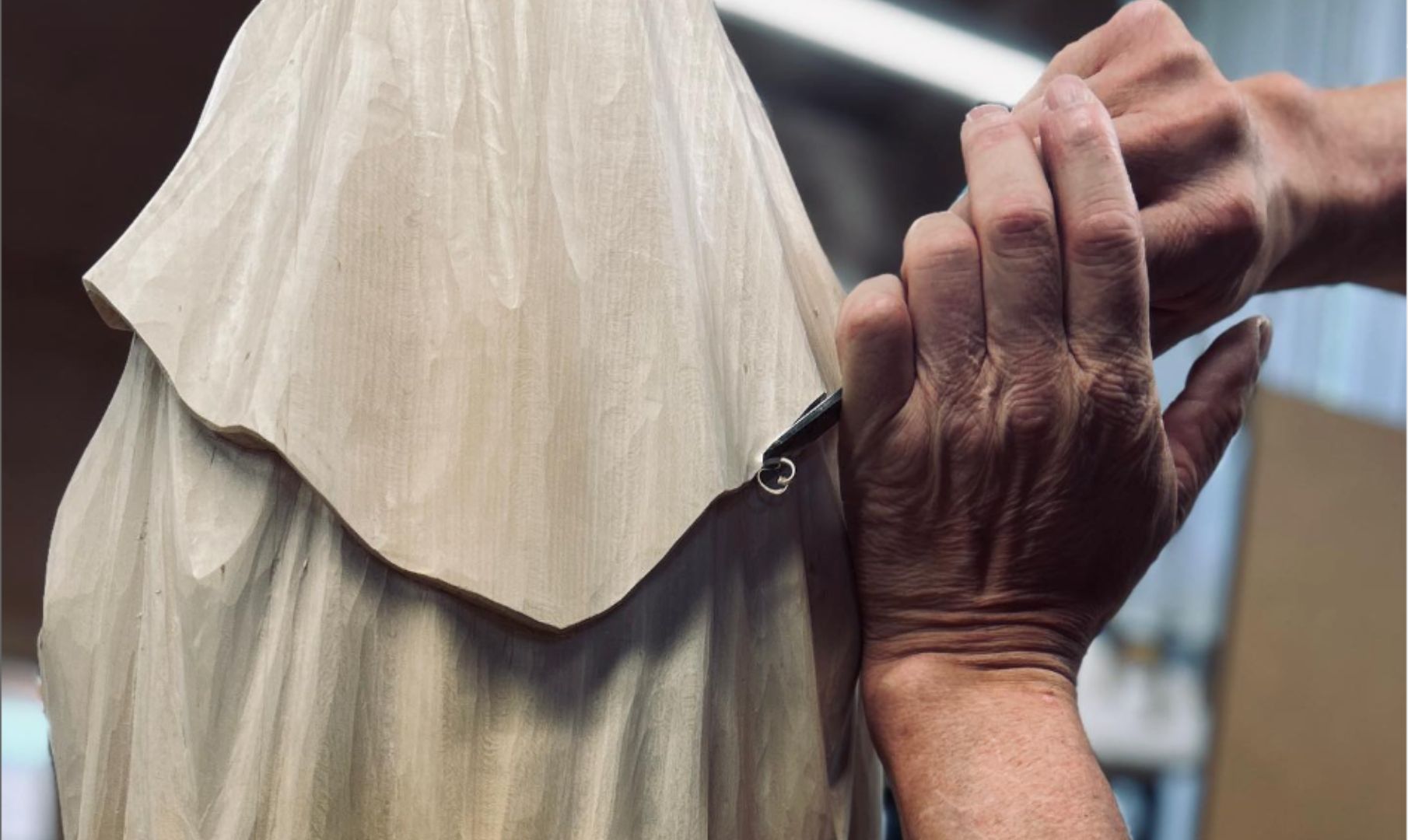
Earlier generations worked almost entirely with simple hand knives and chisels. Electric tools only reached smaller workshops much later on. This allowed finer lines, deeper contours, and more complex facial expressions. Even so, the final finishing touch remains pure handwork to this day.
This blend of old technique and new tools shapes many workshops today. Basic shapes are often formed with modern support, while details stay handmade. That way, tradition connects with practical progress without losing its character.
Some carvers still deliberately reject modern tools to this day. They rely solely on inherited techniques, staying true to their ancestors' ways. Collectors often value this deliberate choice all the more for it.
Traditional versus modern nativity series
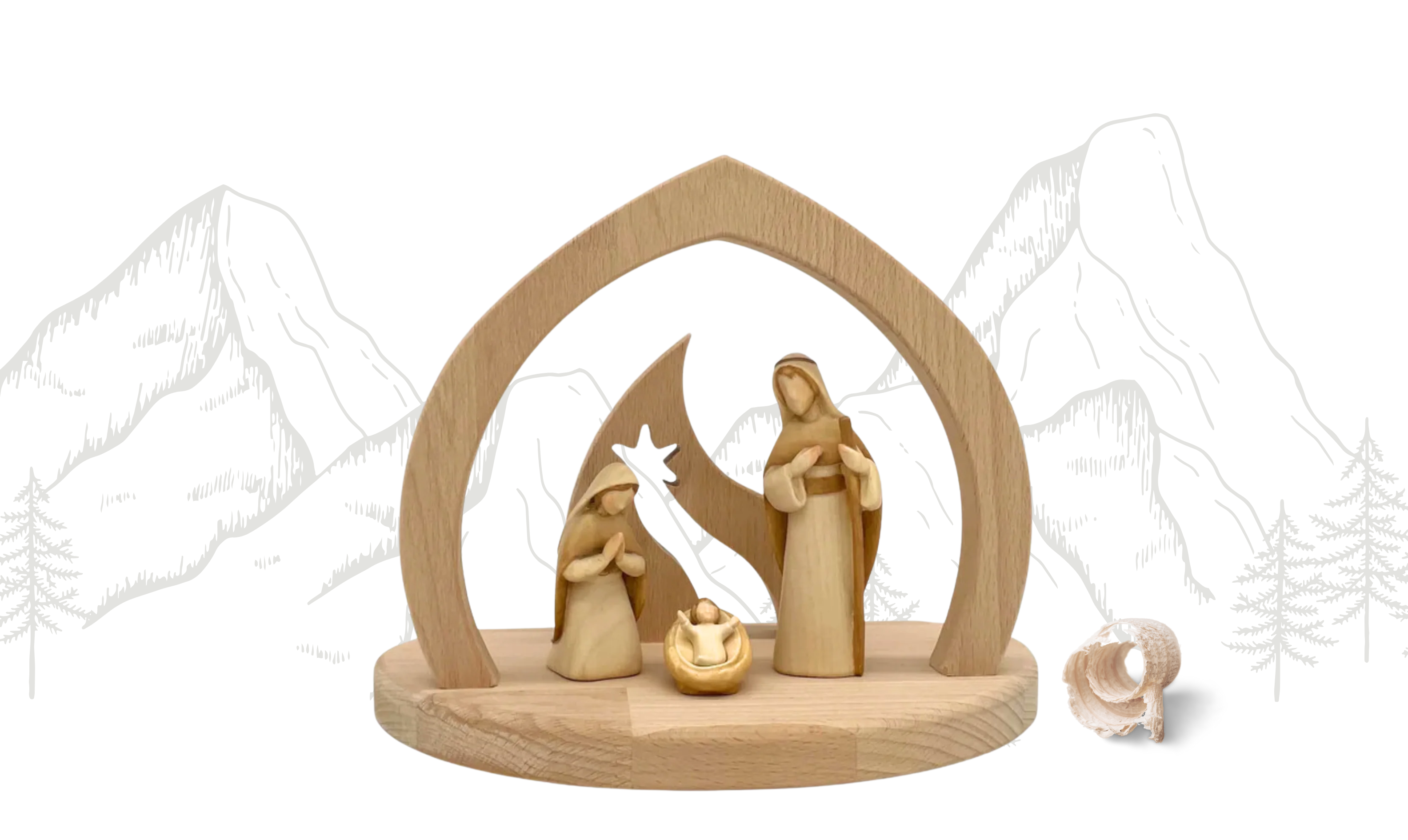
Alongside the classic South Tyrolean figures, modern series emerged over time as well. These favor clean lines and simplified forms over intricate detail. Both directions exist side by side today and appeal to different tastes.
-
Traditional series: warm colors, intricate detail, historical clothing
-
Modern series: geometric forms, calm color palette, minimalist expression
-
Transitional series: a blend of classic form with reduced coloring
Which materials have stood the test of time
Sycamore wood has long been the preferred material for nativity figures. It carves finely while staying strong enough for delicate detail. Swiss pine is also used, especially for figures with a more rustic character.
Some workshops now experiment with other local woods for special limited series. The underlying rule stays the same though, only stable, easily carved wood qualifies. Cheaper wood splits too easily and rarely suits fine detail work.
The choice of material also affects the final weight of the finished figure. A heavier piece in your hand conveys a sense of quality right away. That tactile experience is hard to recreate with light plastic versions.
The shift in painting technique
In the past, painters used simple, often limited colors on the figures. Today, workshops rely on layered techniques to achieve depth and realism. Shadow, light reflection, and subtle transitions shape modern work far more strongly.
This shows up especially clearly in today's painted wooden figures created using fine, layered techniques. This approach looks far more lifelike than the simpler variants of past decades. Even so, the core technique, hand carving, has remained unchanged over the years.
Some workshops now work with natural pigments sourced from mineral origins. These colors age beautifully and shift in tone only slightly over the years. Others rely on modern varnishes that offer extra protection against moisture.
Regional differences in style and expression
Not every workshop in South Tyrol works from the same model or style. Some regions favor bolder colors, while others lean toward subdued, natural tones. These small differences make every nativity scene a unique expression of its origin.
-
North Tyrolean influence: bold colors, expressive faces
-
South Tyrolean influence: calmer tones, finer detail work
-
Alpine workshops: more rustic forms, rougher surface texture
What families value today in old and new figures
Some families deliberately mix old and new figures in their nativity scene. This creates an interplay of history and current craftsmanship under one roof. That combination tells its own story across generations, without a single word.
Other families choose to stick with one consistent series instead, without mixing. Both paths are equally valid and come down to personal taste. What matters most is that the scene brings joy and holds meaning.
In the end, the exact origin of a single figure matters less. Far more important is the memory tied to each and every piece. That is where the true value of this centuries old tradition truly lies.
Frequently Asked Questions
Why do old and new nativity figures differ so much?
Better tools and finer painting techniques have steadily raised the level of detail over the decades.
Which wood is traditionally used for nativity figures?
Sycamore is the standard material, since it carves finely while staying strong.
Can old and modern figures be combined in one nativity scene?
Yes, many families deliberately mix different styles and generations in their display.