How Does Setting Up the Nativity Scene Become the Favourite Family Ritual in Advent?
Many families remember the evening the nativity scene first came out of its box more clearly than any gift. These moments can be created on purpose, without being elaborate or stiff.
From the workshop’s point of view, we show how the set-up becomes a fixed date that everyone in the house looks forward to. It covers the routine, the children’s tasks, and the right way to store everything after the holidays.
Why is setting up the nativity scene a good ritual?
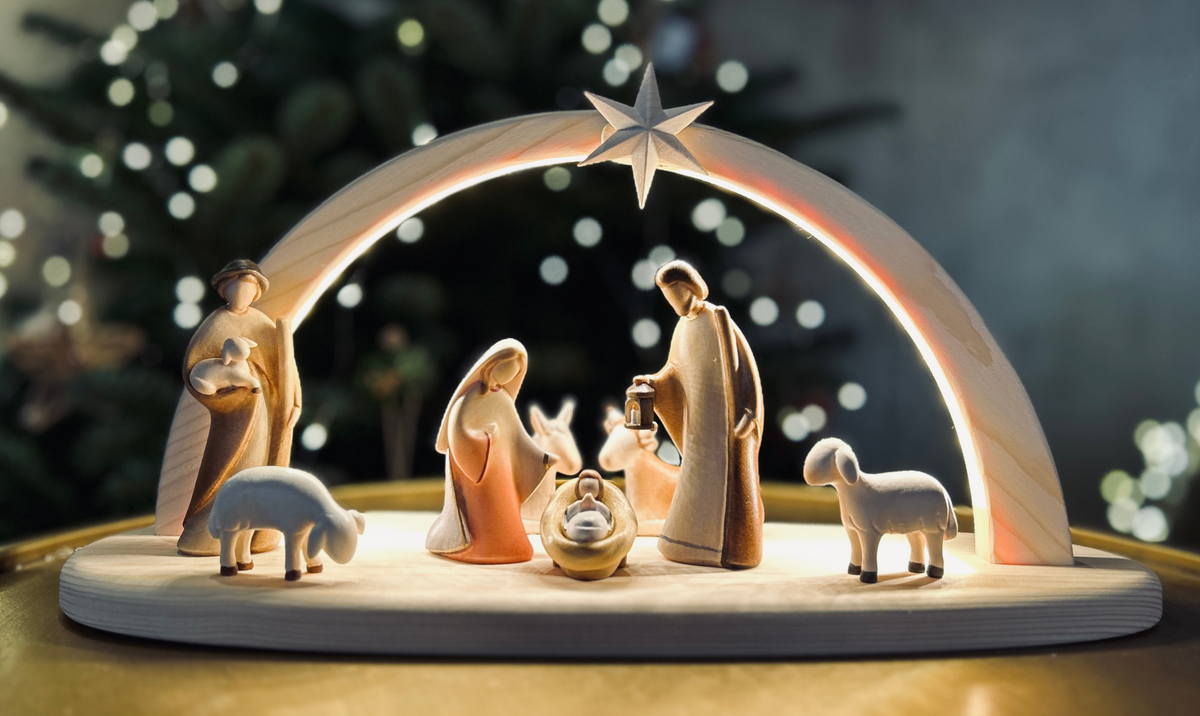
With the right nativity scene accessories, the set-up becomes a small celebration in which everyone gets a task of their own. A ritual depends on coming back, and a nativity scene offers the same framework every year with new details.
Doing something together instead of just decorating
A finished decoration leaves little room for taking part, while a nativity scene invites everyone to join in. Each figure has to be unpacked, placed, and sometimes moved again, and that is exactly where the conversations begin.
A little more every year
Many families add one figure or animal each year, so the scene grows slowly. Akantus offers single figures in several series for this purpose, and they can be bought to match existing sets.
A fixed date makes the difference
It is best to fix the set-up on a set day, for example, the Saturday before the first Advent Sunday. When everyone knows the date, anticipation builds, and nobody plans anything else for those hours. A cup of tea or cocoa and some quiet music turn it into a small evening of its own.
How does the set-up work step by step?
Preparation on the first Advent weekend
Choose a permanent spot beforehand with a level, dry surface, ideally away from radiators and direct sunlight. Wipe the surface briefly and lay out all the pieces so nobody has to search during the set-up. A detailed step-by-step guide is available on the Akantus website.
The order of the scene
A fixed order gives the ritual structure and keeps the set-up clear:
- First place the stable or the base surface.
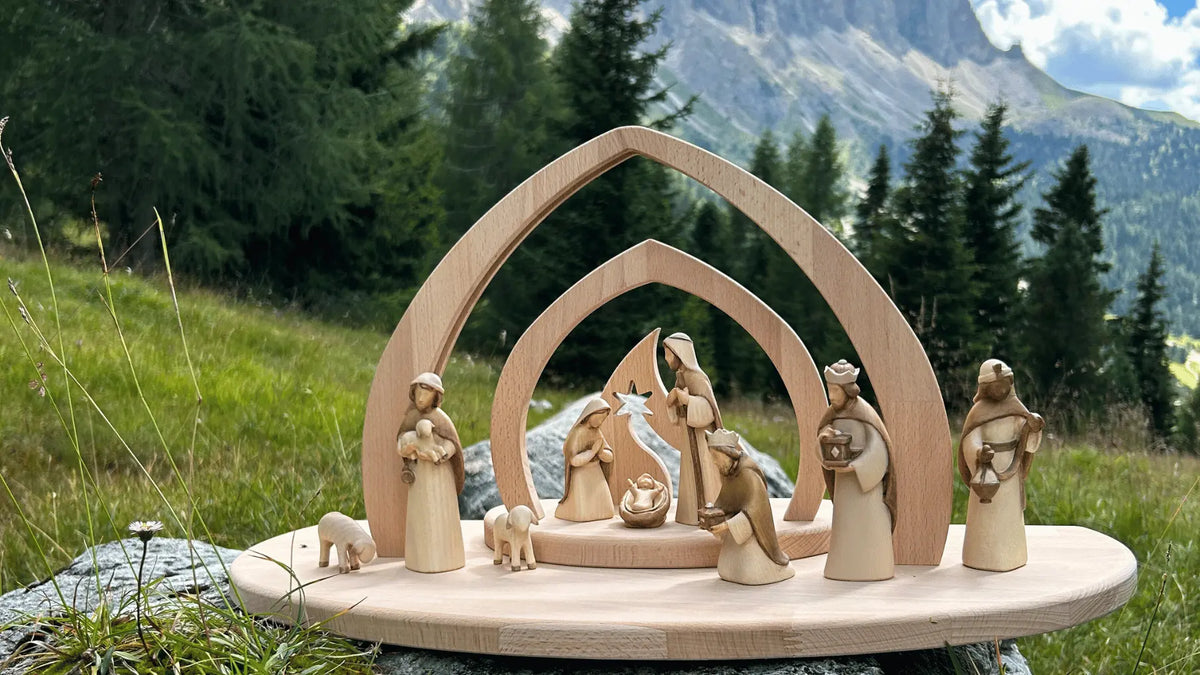
- Then spread the landscape, animals, and shepherds around it.
- Place Mary and Joseph in the stable.
- Many families only lay the baby Jesus in the manger on 24 December.
Light and stability
A nativity scene looks best when the light falls on the stable from the side or from above and casts no harsh shadows. Also put the stable on a non-slip mat so nothing shifts when someone walks past the table. This small effort is especially worthwhile for figures with a narrow base.
Which roles can children take on?
Assigning tasks by age
When every child has a task, they feel like part of the scene and stay involved. These divisions have proven useful:
- The youngest carry the animals to their place and look for the right spot.
- School-age children shape the landscape with moss, stones, and small twigs.
- Adults take care of the stable, stability, and lighting.
Telling the story along the way
Read passages of the Christmas story aloud during the set-up, and let each child say which figure is up next. This links craft and storytelling, and the figures take on a meaning of their own for the children.
When something falls over or breaks
With small children, a figure will sometimes fall, and that is part of the ritual. Stay calm, because a small chip can usually be repaired well on wooden figures. Akantus offers its own repair service, so damaged favourites do not have to be replaced automatically.
How does the nativity scene grow with the family?
Combining sets and single figures
When expanding, make sure all figures have the same size and, if possible, come from the same series so the proportions match. If you are searching for wooden nativity figures, you will find hand-carved sets at Akantus that can be selected by series and by size from 8 to 20 cm.
Size and handling
Larger figures from about 12 cm are easier for children to grasp and place safely. Smaller sizes suit shelves and window sills, where little space is available.
New ideas for every year
You can pick a theme each year, such as animals, shepherds or an additional stable. If the choice feels difficult, use the nativity configurator or the Krippen-Finder and plan the expansion calmly. That way, the anticipation for next year starts while you are still packing up.
Storage after Christmas
Careful storage helps the figures reach next year undamaged:
- Remove dust with a soft, dry brush before packing.
- Wrap each figure individually in soft paper to protect the paintwork and edges.
- Store the boxes in a dry place at an even temperature, not in a damp attic.
Craftsmanship that connects generations: Akantus
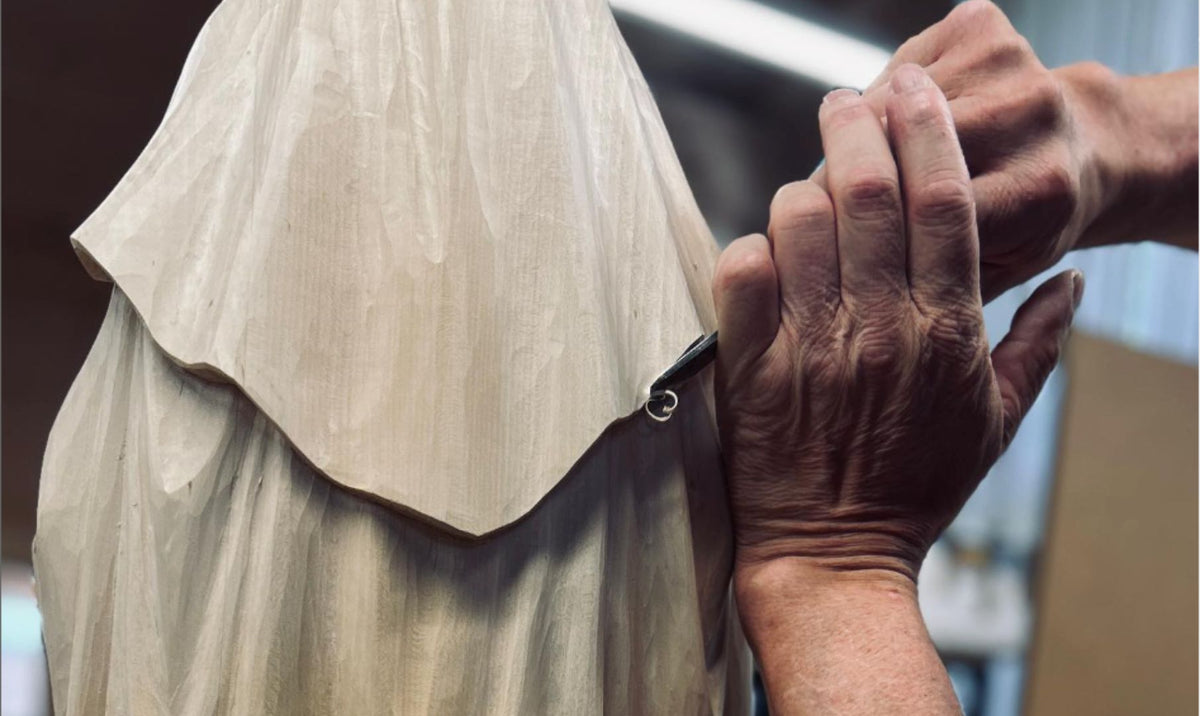
Akantus has been a family business for over 60 years, run by the Kopp family, and aims to create special moments across generations with its products. The range from South Tyrol includes stables, figure sets, single figures, animals and accessories for every style. The configurator helps with putting a scene together, the assembly guide helps beginners, and with a Creative Challenge for children, Akantus invites the youngest to take part. The Advent calendar is another way to share the weeks leading up to Christmas.
FAQ
When should I set up the nativity scene?
Most families set it up on the first Advent weekend, and some start in the week before.
Which figure size is suitable for children?
Figures from about 12 cm are easier to grasp, while smaller sizes are better suited to older children and adults.
What belongs in the basic set-up of a nativity scene?
A stable, the Holy Family, an ox and a donkey, and a few shepherds form the base, which you can expand as you like later.
How do I store the nativity scene after Christmas?
Wrap the figures individually in soft paper and keep them dry in their boxes.
How do I introduce children to the Christmas story?
Tell it in small sections during the set-up and let the children place the matching figures in the scene themselves.